Glaucoma

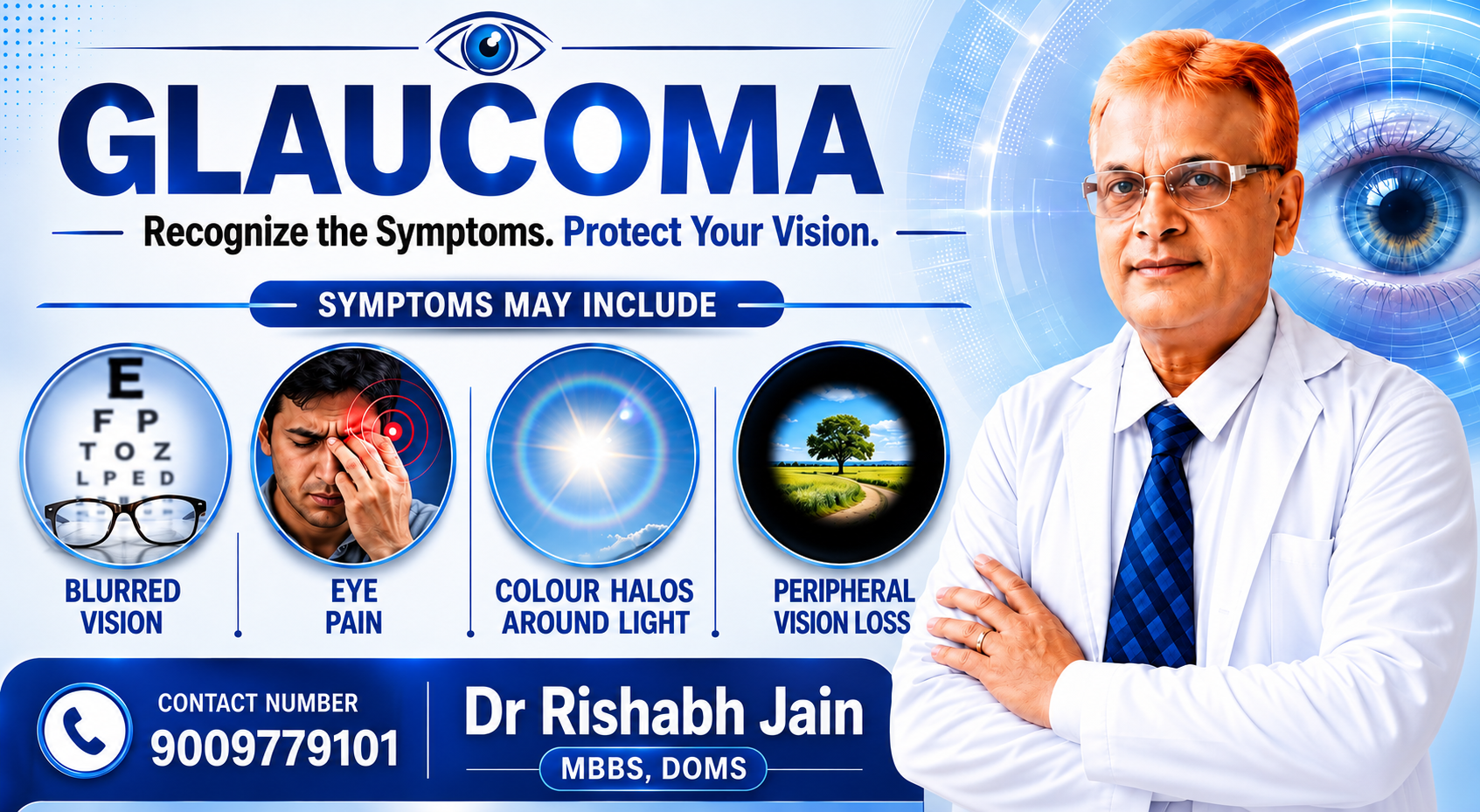
Glaucoma is an eye disease that damages the optic nerve, often from high eye pressure, and can lead to vision loss if untreated.
Symptoms:

Glaucoma is a group of eye conditions that damage the optic nerve, often due to increased intraocular pressure.

1. Early stages are usually asymptomatic, highlighting the importance of regular eye exams.

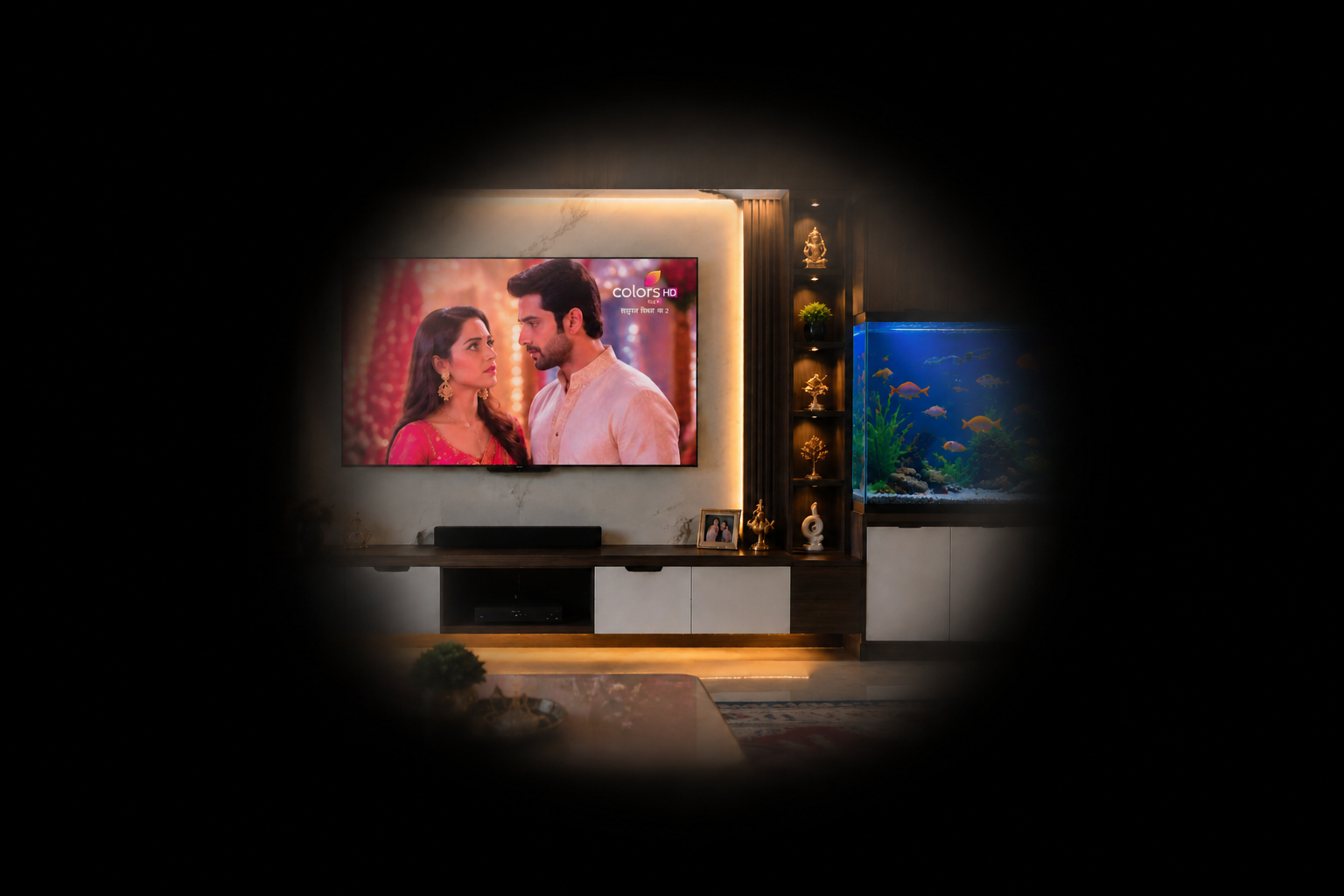
2. Progressive stages cause gradual peripheral vision loss, often unnoticed until advanced. Patients may notice reduced visual field, difficulty in low-light conditions, and mild eye discomfort.

3. Advanced glaucoma can lead to tunnel vision and significant vision loss, which may result in blindness if untreated.

Early detection and treatment are crucial to slow progression and preserve vision
What is Glaucoma?

Glaucoma is a group of progressive eye disorders that damage the optic nerve, the crucial pathway transmitting visual signals from the eye to the brain. While increased intraocular pressure (IOP) is a major risk factor, optic nerve damage can also occur with normal IOP. The optic nerve is made up of over a million nerve fibers, and once these are lost, the damage is permanent. Glaucoma is classified into several types: primary open-angle glaucoma (POAG), angle-closure glaucoma (ACG), normal-tension glaucoma, and secondary glaucoma, which may result from trauma, inflammation, medications, or other eye conditions. POAG is the most common and progresses slowly, whereas ACG can develop suddenly and requires immediate intervention. Risk factors include advancing age, family history, diabetes, hypertension, myopia, prolonged corticosteroid use, and certain systemic conditions. Diagnosis involves measuring IOP using tonometry, evaluating optic nerve health via ophthalmoscopy, assessing visual fields with perimetry, and imaging with optical coherence tomography (OCT) to detect early nerve fiber layer loss. Management focuses on lowering IOP to slow optic nerve damage, using eye drops, laser treatments, or surgical procedures. Continuous monitoring is essential, as glaucoma-related vision loss is irreversible but preventable with timely treatment.

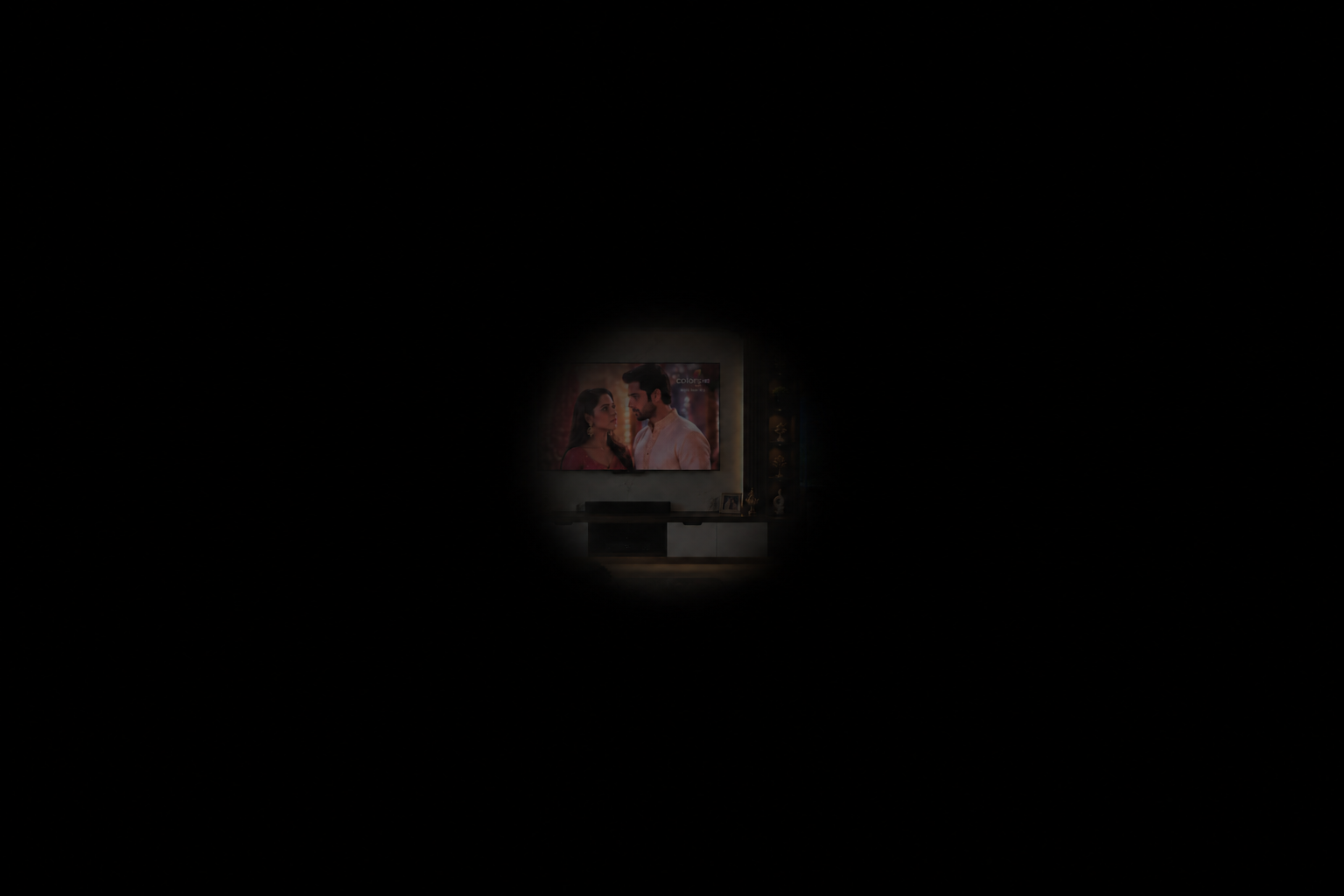
Good Normal Vision:
Bad Affected Vision:
Various Stages in Glaucoma:
Stage 1 :- Early Stage No obvious symptoms for many patients. Small blind spots in peripheral vision. Central vision remains sharp. Reading and recognizing faces are normal.
Stage 2 :- Intermediate Stage Peripheral vision loss becomes measurable. Difficulty noticing objects approaching from the side. More trouble navigating crowded places. Increased risk of bumping into objects.
Stage 3 :- Advanced Stage Significant tunnel vision develops. Side vision markedly reduced. Driving becomes difficult or unsafe. Finding objects around the room becomes harder.
Stage 4 :- Severe Stage Very narrow central island of vision remains. Most peripheral vision is gone. Mobility becomes challenging. Difficulty locating people or objects unless directly in front.
Stage 5 :- End Stage Tiny residual central vision or only light perception. Severe visual disability. Unable to read, recognize faces, or navigate independently. Some patients retain only awareness of bright light.

Book Your Eye Consultation Today

About Dr. Rishabh Jain Eye Care

We are dedicated to providing trusted, patient-focused eye care with a strong emphasis on accurate diagnosis, preventive treatment, and long-term vision health. Led by Dr. Rishabh Jain, our clinic offers compassionate and personalized eye care for patients of all ages.

Contact Details

Shree ji Hospital Ujjain
9009779101
ujjain.eye@gmail.com
Monday – Saturday Morning & Evening OPD Slots Available
Proudly Crafted by Digital Kuber © 2026