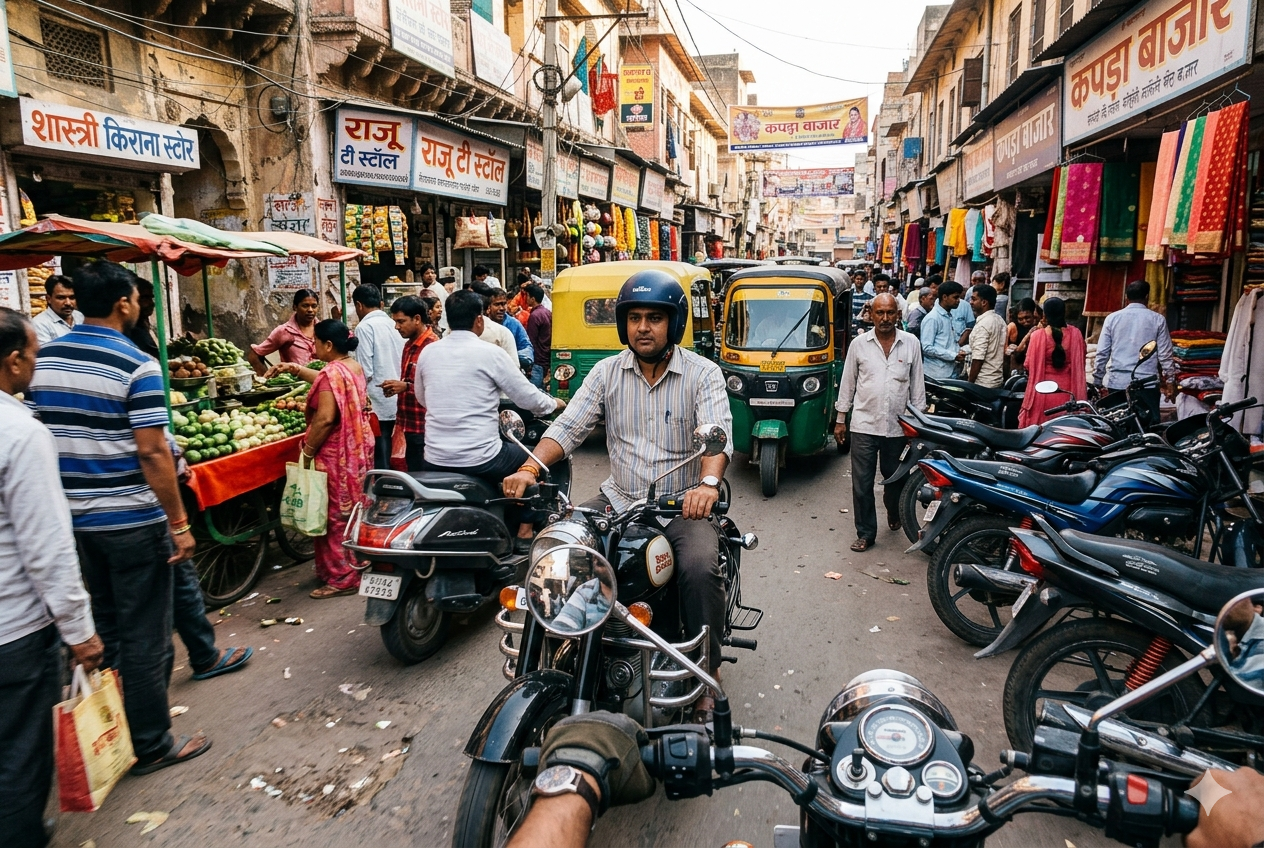
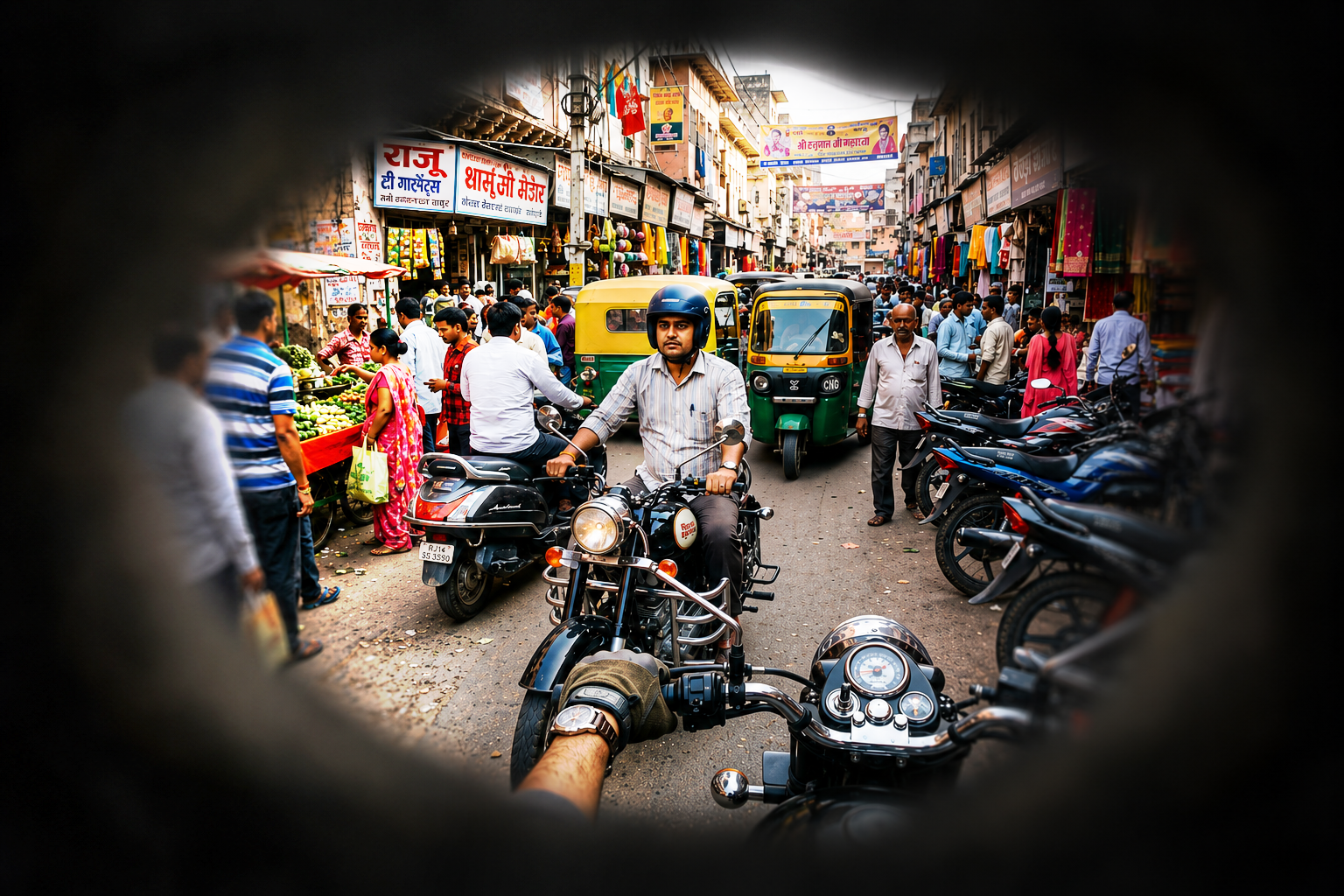
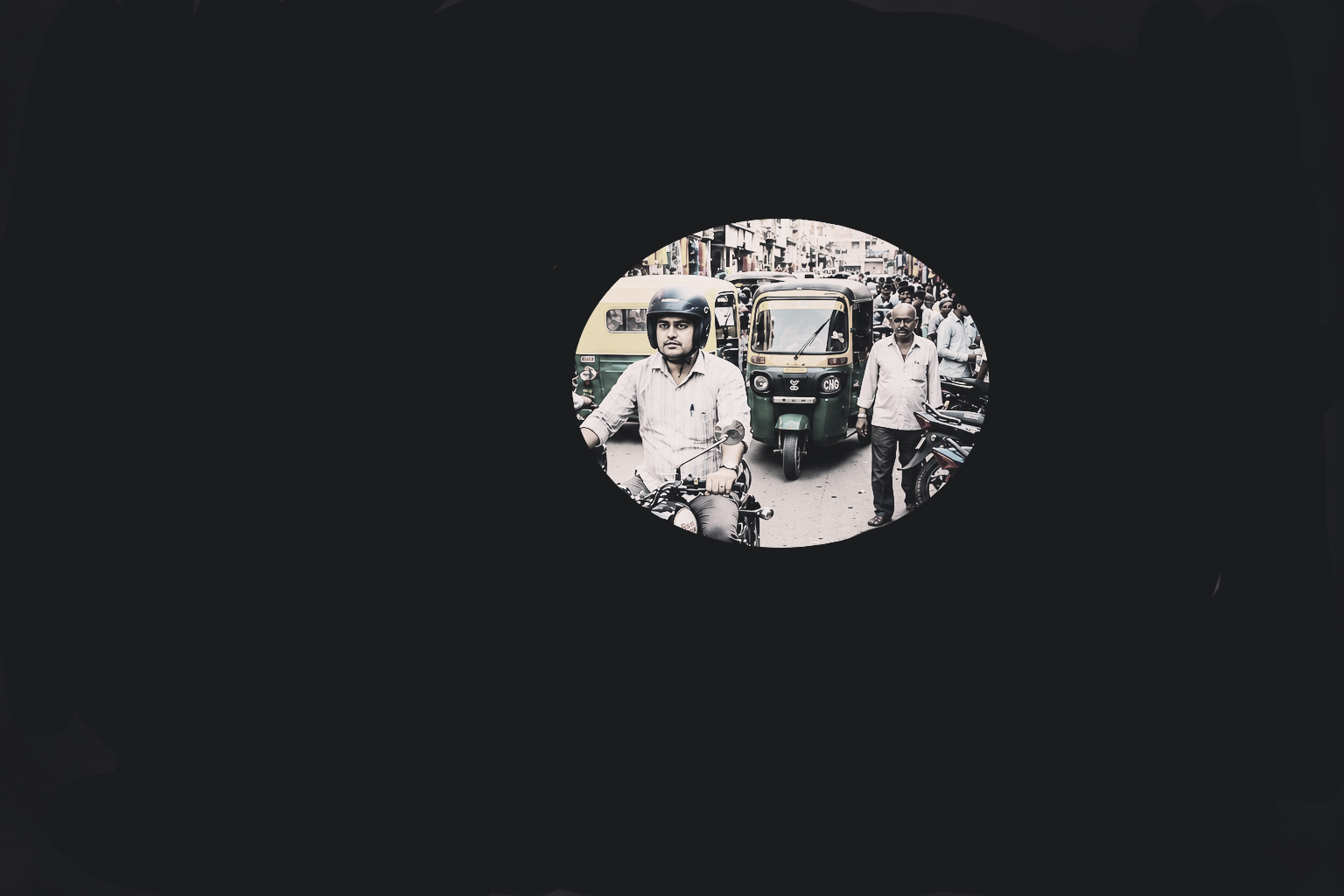
Retinitis Pigmentosa slowly damages the retina, causing night blindness, loss of peripheral vision, and difficulty seeing in dim light. Over time, central vision may also blur, making daily activities like driving or reading increasingly hard.
Symptoms usually begin gradually and can vary from person to person.

Retinitis Pigmentosa (RP) is a rare inherited eye disorder that gradually damages the retina, the light-sensitive tissue at the back of the eye. It mainly affects photoreceptor cells called rods and cones, which help people see in dim light and detect colors and details. The condition usually begins with night blindness and difficulty seeing in low-light environments. As the disease progresses, peripheral vision slowly decreases, often leading to tunnel vision. In advanced stages, central vision may also be affected.
RP is caused by genetic mutations passed down through families, and symptoms can appear during childhood, adolescence, or adulthood. The progression and severity vary from person to person.
Doctors diagnose RP through eye examinations, visual field tests, retinal imaging, and genetic testing. Although there is currently no complete cure, treatments such as low-vision aids, vitamin therapy under medical supervision, and certain gene therapies may help manage symptoms and slow progression. Early diagnosis and regular eye care are important for preserving vision and improving quality of life.
But good news is that -
"We can help improve your condition with our techniques and medications, with noticeable results possible within 7 days"